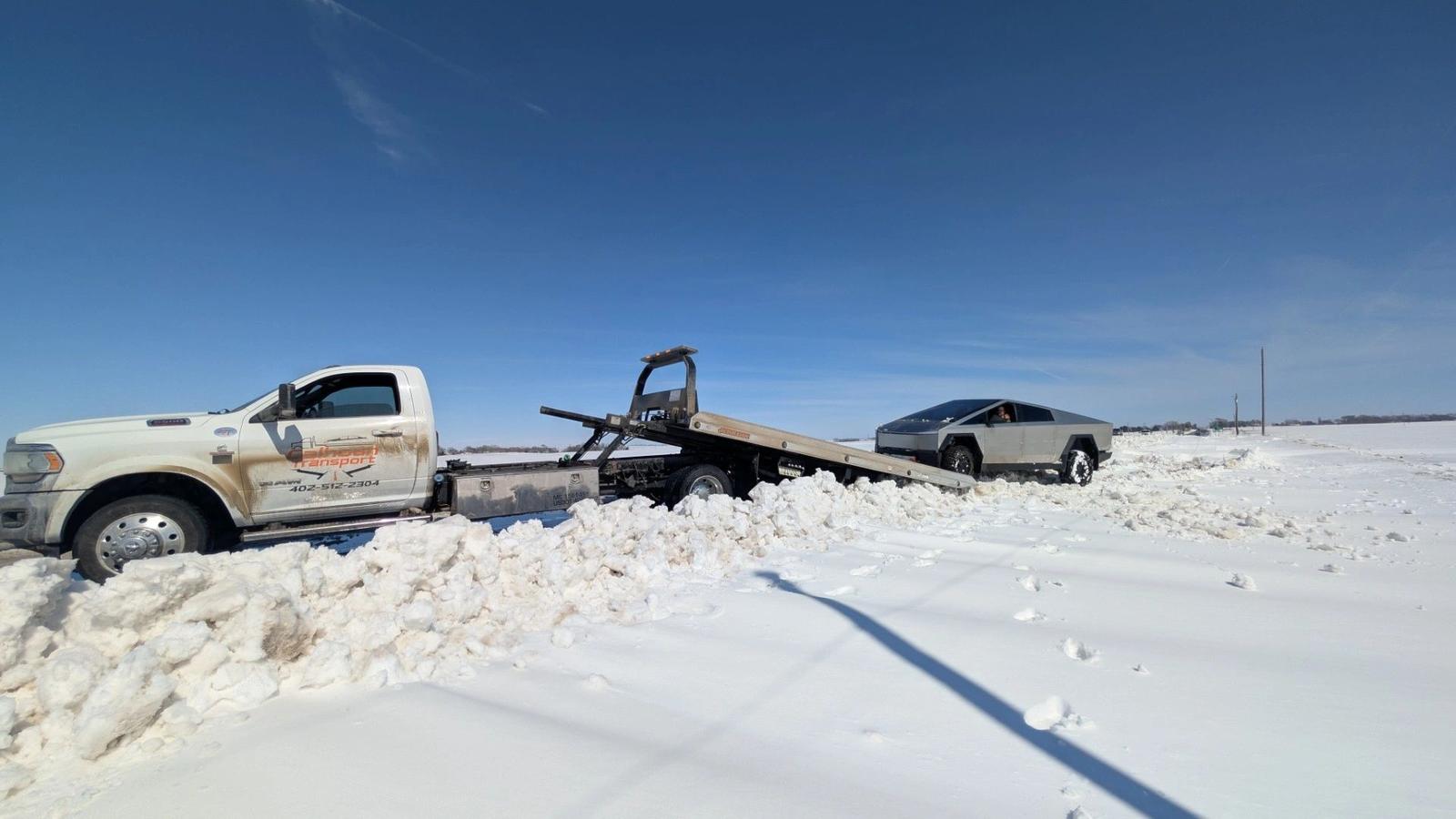
A winter car kit for driving around Blair should cover three things: staying warm if the engine stops, being seen by other drivers, and getting help to the right spot. That means warm layers, a charged phone and power bank, a light, a scraper, traction aid, water and a few basic tools. Pack it before the first hard freeze, not after the first slide.
Why a Kit Matters More Outside Town
In town, a dead car is an inconvenience. You are usually a short walk from a gas station, a business or a neighbor's porch. Out on the county roads and the stretches between Blair, Fort Calhoun, Herman and Arlington, that changes. Houses are farther apart, traffic is lighter after dark, and a gravel road can drift over in a way a city street never does.
That gap is what a winter kit covers. It is not about expecting the worst. It is about making the wait between a slide and a tow truck boring instead of dangerous.
The Core Kit: What to Pack
Keep these in the car from the first cold snap until spring. A plastic tote or a duffel in the trunk keeps everything together and easy to grab.
Staying warm
- A real blanket or sleeping bag. Not a thin throw. If the engine is off for a while, this is what keeps you comfortable.
- Hat, gloves and a spare pair of dry socks. Wet gloves after digging out a tire are worse than no gloves.
- Hand warmers. Cheap, light and they last for hours.
Being seen
- A flashlight or headlamp with spare batteries. A headlamp leaves both hands free for a tire or a jump start.
- Reflective triangles or flares. These give other drivers warning well before they reach your car, which matters on a dark shoulder.
- A bright cloth or vest. Tie the cloth to the antenna or door handle, or wear the vest if you have to step out.
Getting help to you
- A phone charger and a charged power bank. Cold drains phone batteries faster than people expect, and your phone is how help finds you.
- A written list of numbers. Your insurer, a family member and a tow company. If the phone dies, someone with a working phone can still make the call for you.
Getting yourself moving
- An ice scraper and snow brush.
- A small folding shovel. Useful for clearing snow away from tires and the tailpipe.
- Traction aid. A bag of sand or cat litter, or a pair of traction mats, under the drive wheels can get you off a slick spot.
- Jumper cables or a portable jump pack. A pack lets you start the car without waiting for a second vehicle.
The basics
- Water and a few snacks that will not freeze solid or spoil.
- Any medication you take daily, in case the wait runs long.
- A basic first aid kit.
What to Do If You Slide Off the Road
Most winter calls around Blair start the same way: a car slides on a patch of ice or a drifted section and ends up in a ditch or off the shoulder. What you do in the next few minutes matters more than anything in the trunk.
Stay in the car if it is safe
A car is shelter. It blocks wind, it is easy for a tow operator and other drivers to spot, and it keeps you away from passing traffic. Get out only if the car is in a dangerous spot or you smell fuel or smoke.
Keep the tailpipe clear
If you run the engine for heat, check that snow is not packed around the tailpipe first. A blocked exhaust can push fumes back into the cabin. Run the engine in short stretches and crack a window slightly.
Turn on your hazards and make the car visible
Hazards on, dome light on when the engine is running at night, and a bright cloth on the antenna or mirror. If you have triangles and it is safe to set them out, place them behind the car.
Call with a clear location
Give the road name, the nearest crossroad and which direction you were heading. If you are not sure, a mile marker, a farm name on a mailbox, or a dropped pin from your phone's map all work. A clear location gets a truck to you faster than anything else you can do.
Do not spin the tires
Spinning the wheels on ice or in a ditch digs the car in deeper and can make a simple pull into a harder one. If a few gentle tries with traction aid under the tires do not move it, stop and call for a winch out.
Before Winter Starts: A Short Checklist
A kit helps after something goes wrong. A few checks in the fall make it less likely you need it.
- Battery. Cold mornings are when weak batteries finally quit. If yours struggled to start last winter, have it tested before the first hard freeze.
- Tires. Check tread depth and pressure. Pressure drops as temperatures fall, so check it again after the first cold week.
- Wipers and washer fluid. Swap worn blades and fill the reservoir with a winter washer fluid that will not freeze.
- Fuel. Keeping the tank at least half full in winter gives you more time to run the heater if you are stuck.
- Lights. Walk around the car with the lights on. A burned out taillight makes you harder to see on a dark road.
If something on that list fails on a cold morning anyway, roadside assistance covers jump starts and other small fixes that get you back on the road without a tow.
When You Need a Tow Instead
Some winter situations are past what a kit can solve. A car deep in a ditch, one that slid into a field, or one sitting at an angle where pulling it out could roll it, needs a truck with a winch and an operator who has done it before.
That is the kind of call Calhoun Transport handles across Blair and the surrounding area. A flatbed with a winch can pull a car back onto solid ground and, if it is damaged or will not start, load it and take it where it needs to go. Tell the dispatcher how the car is sitting, whether anyone is hurt, and whether the car still runs.
Frequently Asked Questions
What should be in a winter car kit in Nebraska?
A good winter kit covers warmth, visibility and getting help. Pack a blanket, hat and gloves, a flashlight, a phone charger and power bank, a scraper, a small shovel, traction aid like sand or cat litter, jumper cables or a jump pack, water, snacks, and a written list of phone numbers.
Should I stay in my car if I slide into a ditch?
In most cases, yes. A car blocks wind, is easy to spot and keeps you away from passing traffic. Leave only if the car is in a dangerous position or you smell fuel or smoke. Keep the tailpipe clear of snow before running the engine for heat.
How do I tell a tow truck where I am on a rural road?
Give the road name, the nearest crossroad and your direction of travel. A mile marker, a farm name on a mailbox or a dropped pin from your phone's map also works. The clearer the location, the faster a truck can find you, especially at night or in blowing snow.
Can I get my car out of a ditch myself?
Sometimes. If the car is only slightly off the shoulder, clearing snow from the tires and putting traction aid under the drive wheels may be enough. If a few gentle tries do not move it, stop. Spinning the tires digs the car in deeper and can make the recovery harder.
When should I put a winter kit in my car?
Before the first hard freeze. Fall is the easy time to gather everything, check the battery and tires, and put the tote in the trunk. Waiting until after the first slide means packing the kit on the one day you needed it already.
Stuck Near Blair This Winter?
Calhoun Transport handles winch outs, ditch recoveries and flatbed tows around Blair, Fort Calhoun and the rest of Washington County and the Omaha metro. Call 402-512-2304 with your location and what the car is doing, or reach us through our contact page.