Services
Winch Out and Vehicle Recovery
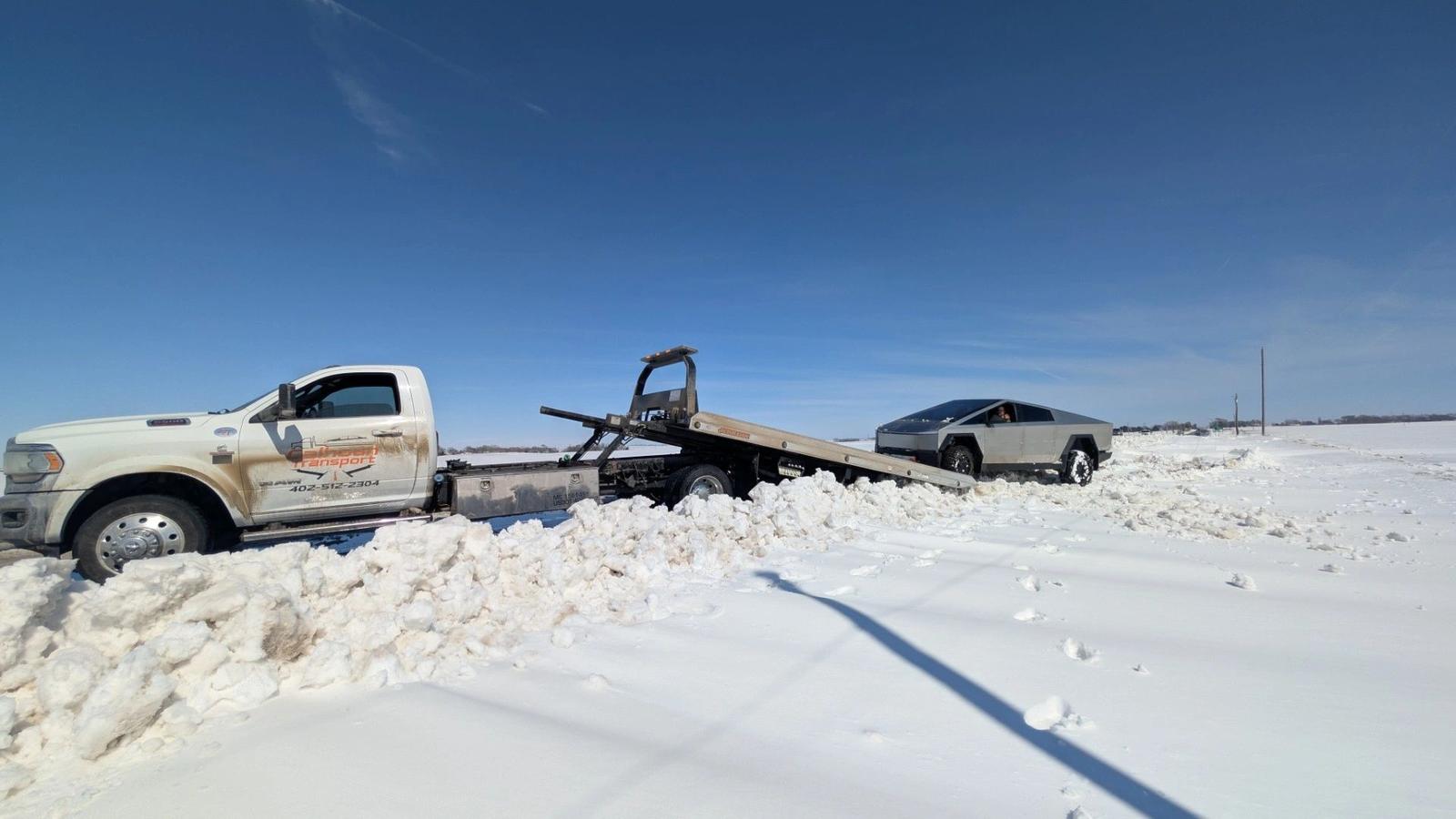
Off the shoulder, into the ditch, buried in mud or snow. Winched back onto the road without tearing up the vehicle getting there.
Off the shoulder, into the ditch, buried in mud or snow. Winched back onto the road without tearing up the vehicle getting there.
A winch out is recovery, not towing. The vehicle is usually fine. It is simply somewhere a vehicle cannot drive itself out of, and once it is back on solid ground it drives away under its own power. Calhoun Transport runs winch outs across the Omaha metro and Washington County, Nebraska, and in this part of the state they are a season, not an occasion.
The difference between a winch out and a tow is worth knowing when you call, because it changes the price. If the car slid off a gravel shoulder and is sitting in a ditch undamaged, that is a recovery and it is priced as one. You do not need to pay for a tow to somewhere you were not going.
What matters is doing it without adding damage. A recovery done badly bends control arms, tears bumpers off and pulls suspension mounts out of alignment. Getting the vehicle out is the easy part. Getting it out intact is the job.
Because the pickup that stops to help is guessing about two things it cannot see: where it is safe to attach, and how much force is actually needed. Modern unibody cars have a small number of designed recovery points and a very large number of things that look like recovery points and are not. A strap on a control arm, a subframe lip or a bumper beam will move the car and bend the part.
The second problem is the pull itself. A snatch strap stores energy and releases it all at once, which is what makes it effective and what makes it dangerous. Recovery gear that fails under load becomes a projectile, and people are seriously hurt this way every winter. A winch line under controlled tension does the same work without the stored energy.
The third is angle. A vehicle in a ditch usually needs to come out along a line the road does not offer, so the recovery has to change the direction of pull with a snatch block or reposition the truck. A straight tug from whatever direction a helpful stranger happens to be parked in is how a stuck car becomes a damaged car.
Where the vehicle is sitting, what it is sitting on, and which way it has to come out. Two minutes of looking prevents most recovery damage.
Rated recovery points, or the parts of the structure that will actually take the load. Not a control arm and not a bumper.
Steady line pull rather than a snatch. Slower, safer, and it does not turn a strap into something that can hurt somebody.
A snatch block or a repositioned truck so the vehicle comes out along the line it needs to, not the line that happens to be convenient.
Whether the vehicle is actually safe to drive away, or whether something got damaged on the way in that you have not noticed yet.
If the recovery reveals real damage, the deck is already there. One visit, not two.
If you are off the road and out of traffic, that is usually the safest place to be. If you are in a live lane, get clear first.
Ditch, field, mud, snow or shoulder. How far off the road, and which way the vehicle is facing. This decides the truck and the gear.
Attachment points, the line the vehicle has to travel, and whether the direction of pull needs changing.
The line comes up gradually and the vehicle moves under control. Nothing gets jerked.
You get told whether it is safe to drive off. If it is not, it goes on the deck instead.
Winter is the obvious one. A March 2025 blizzard closed US-75 between Omaha and Blair, closed I-80 west of the metro and left tens of thousands of OPPD customers without power, and the Nebraska State Patrol logged dozens of motorist assists during a March 2026 storm on its own. Snow fills ditches so completely that a car sitting in one is not visible from the road, which is its own hazard and a reason to stay near the vehicle rather than walking off.
Spring is the quieter one and it catches more people. Frost coming out of the ground turns a gravel shoulder that held all winter into something that gives way under a wheel. Washington County is roughly 30 percent creek and river bottoms by the county's own comprehensive plan, and the Missouri River bottomland along the eastern edge runs three to seven miles wide. That is a lot of ground that is firm in February and soft in April.
Neither season is unusual here, and the practical version is the same for both: the edge of a rural road is not always as solid as it looks, and a wheel over the lip is often all it takes.
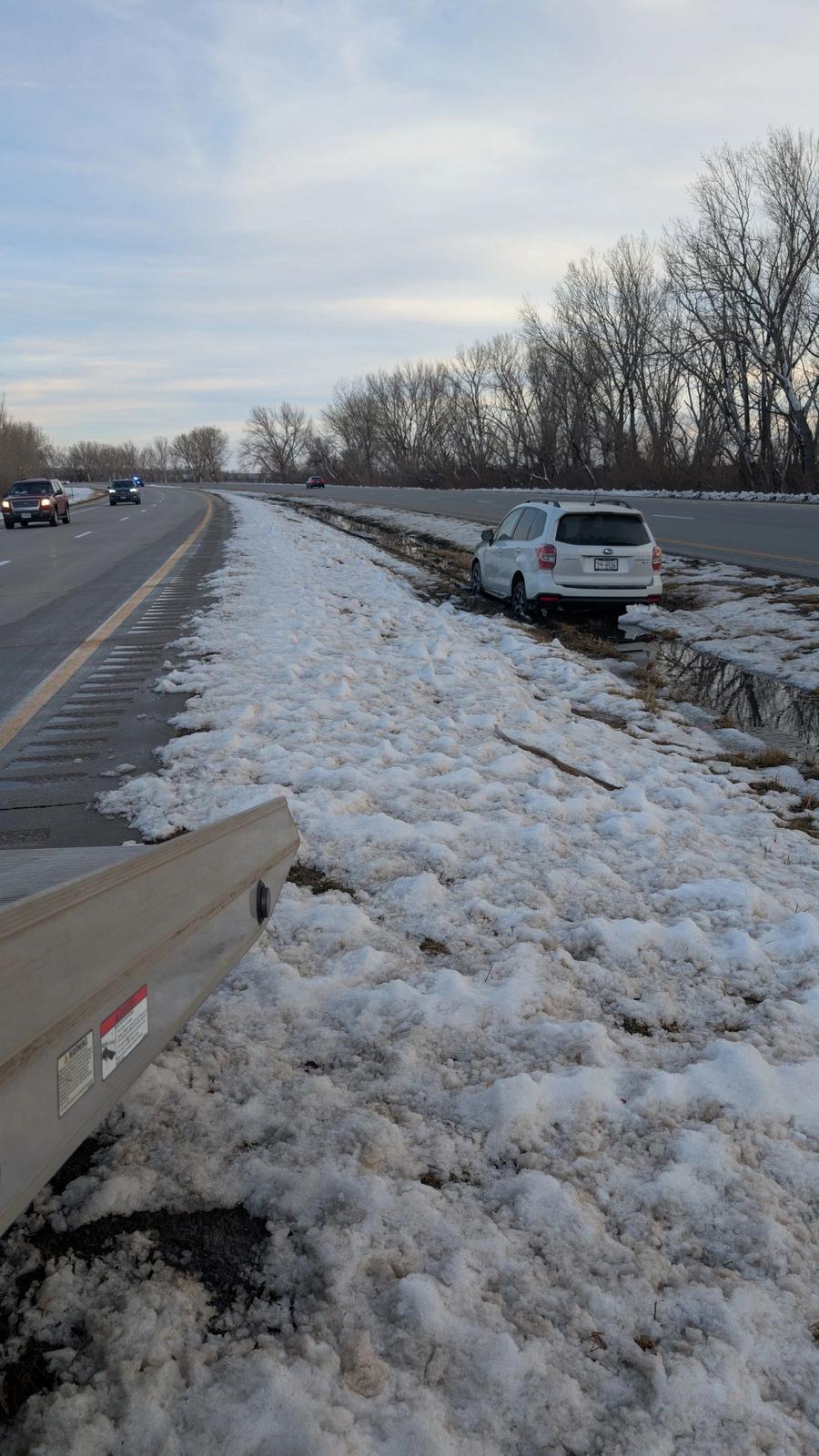
Washington County describes itself as roughly 60 percent rolling upland prairie and 30 percent creek and river bottoms, with the remainder broken and bluffy. That mix is exactly the recipe for winch outs. The uplands give you gravel roads with steep-sided ditches on both shoulders, and the bottoms give you ground that does not hold weight after a wet week.
The Missouri River bottomland along the county's eastern edge is three to seven miles wide, and the Elkhorn River bottoms on the southwestern border are similar. Fort Calhoun sits right at the transition, where Highway 75 drops out of the rolling hills into the river plain just south of town. Boyer Chute, three miles east of Fort Calhoun, is floodplain that the federal refuge itself warns is frequently affected by flooding.
In the metro the causes change but the calls do not stop. Ice on the I-80 and I-680 ramps puts vehicles onto the grass, and the Saddle Creek underpass beneath Dodge Street has flooded chronically since it was built in 1934 because it sits in a former creek bed. A vehicle that has been driven into standing water there is a recovery and then a tow, in that order.
Across the Omaha metro and Washington County. The home-turf side is where this service earns its keep, because a rural recovery is mostly a question of how long the drive out is.
Pick your town below, or call and describe the ground the vehicle is sitting on.
Usually yes, because there is no loaded delivery at the end of it. The vehicle comes out, you check it over, and you drive away. Price depends on how far off the road it is and how hard the pull is, so describe the situation on the phone and you get a real number.
Probably not. Most ditch recoveries end with the vehicle driving away. We will look it over once it is back on solid ground and tell you honestly whether anything got bent on the way in, because that is not always obvious from the driver's seat.
Often, yes, but it depends on the ground between the road and the vehicle. A truck that gets stuck reaching you has made the situation worse, not better. Describe how far in it is and what the ground is like and we will tell you honestly whether it is a job for a flatbed or for a tractor.
One gentle attempt is reasonable. Repeated attempts are not, because spinning wheels dig the vehicle in deeper and can overheat a transmission or a clutch. If it did not come out on the first try, stop, because every attempt after that makes the recovery harder and more expensive.
If you are well off the road and out of the traffic lane, staying with the vehicle is usually safer than standing outside it, especially in cold or poor visibility. If you are in or near a live lane, get well clear first. Snow-filled ditches hide vehicles from other drivers.
Yes. A trailer that has dropped a wheel off a soft edge is a common call, and the same applies to equipment on a field approach. Tell us the weight and what it is when you call, since that decides which truck comes out and whether one is enough.
Cars, pickups, medium duty trucks and equipment hauled on a flatbed deck, so nothing drags, scrapes or turns a wheel on the way.
Learn moreCareful recovery after a collision, secure storage for the vehicle, and straight paperwork for whoever is handling the claim.
Learn moreDead battery, flat tire or an empty tank. The problems that do not need a tow at all, handled where you are parked.
Learn moreTell us where you are, what you are driving, and what happened. Calling is fastest, and it is the only way to get a real price before anything moves.
Tell us what you need. Calling is the fastest way to reach us. You can also text, or send your details below.
Call 402-512-2304Fastest Text 402-512-2304Arrives from your number, so we can reply straight back