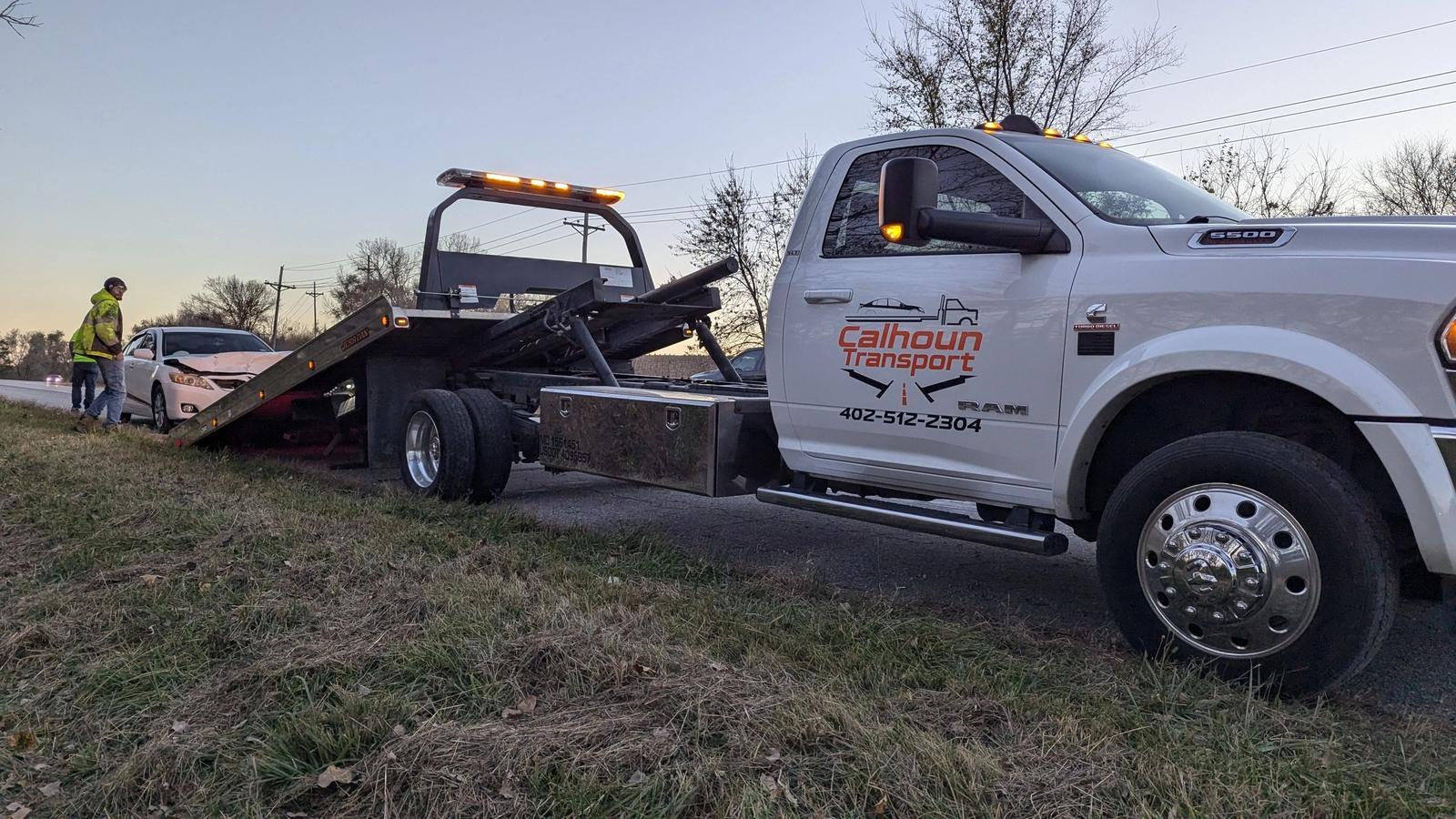
If you break down near Herman with children or a pet, stay in the vehicle, keep everyone together and call for help right away. The car is shelter, it is easier for a rescuer to spot than a person on foot, and walking away from it with a child or an animal is how a bad afternoon turns into a dangerous one. Get your location to a dispatcher first, then work on staying warm and visible.
Why the Vehicle Is the Safest Place to Wait
It is tempting to start walking toward the nearest farmhouse or the next town. With kids or pets, that is almost always the wrong call. Around Herman the gaps between services are long, the roads are open to the wind, and light fades early in the fall and winter.
The National Weather Service gives the same basic advice to anyone stranded in winter weather: stay in the vehicle, because if you leave it you can become disoriented quickly in wind-driven snow and cold. A vehicle also gives you a place to keep children buckled and calm, and a pet contained, instead of chasing them along a ditch line.
Make the Call First
Before you do anything else, make the call and give the dispatcher what they need. This is the single thing that shortens the wait the most.
- Your road and the nearest crossroad. Rural roads can look alike. A road name plus the nearest intersection beats "outside Herman."
- Your direction of travel. It tells the driver which side of the road you are on.
- Who is with you. Say plainly that there are children or animals in the vehicle. It tells the dispatcher how urgent the wait is for you.
- What the vehicle is doing. Dead battery, flat tire, off the road, or not running at all.
If your signal is weak, try the call from different spots inside the vehicle before you consider leaving it. Our guide to where to stand while you wait covers the shoulder itself.
Staying Warm With Children in the Car
Cold is the main risk in a stranded vehicle for much of the year here, and children lose heat faster than adults. A few habits help.
- Layer, and use what you have. Coats, blankets, floor mats and spare clothes all count. Put the warmest layers on the smallest person.
- Run the engine in short bursts. The National Weather Service suggests running the motor about 10 minutes each hour for heat, rather than all the time.
- Clear the exhaust pipe. The same guidance says to clear snow from the exhaust pipe to avoid gas poisoning. If the car is on a shoulder or in a drift, check this each time before you start the engine.
- Open a window a little while the motor runs. The National Weather Service says this protects against carbon monoxide poisoning.
- Keep moving a little. The guidance is to move arms, legs, fingers and toes from time to time to keep blood circulating. Turn it into a game for kids.
That page covers adults and general winter travel. It does not address children or pets specifically, so use common sense: if a child seems unusually sleepy or unwell, treat it as an emergency and call 911.
Staying Warm and Safe With Pets
Dogs and cats feel the cold too, and a car that has been off for a while cools quickly.
- Keep the pet inside the vehicle with you. Do not let it out near the road unless you have a leash and the area is safe.
- Use a carrier or a harness. A frightened animal can bolt out of an opened door.
- Share the blankets. A pet curled against a child under a blanket stays warmer than one on a cold seat.
- Never leave an animal alone in the vehicle if you have to walk away, in cold or in heat.
Being Seen by Rescuers
A stopped vehicle on a rural road can be hard to see, especially at dusk. The National Weather Service tells stranded drivers to be visible to rescuers. Two of its specific tips are worth following:
- Turn on the dome light at night when you are running the engine.
- Tie a bright cloth, preferably red, to the antenna or a door.
If you are on a road shoulder and a tow truck is coming, stay buckled in the vehicle until it arrives. When the truck pulls up, the operator will tell you where to stand while the vehicle is loaded.
Keep Everyone Calm While You Wait
A long wait is hard on children. Keep them busy with songs, a story or a simple game, and tell them plainly that help is on the way. Calm kids stay warmer, move around less and are easier to keep buckled in. If you have a second adult, take turns watching the road and the phone so one person can rest. Check your phone battery now and then, and save it by turning the screen down once you have made the call.
What to Keep in the Car Before You Need It
A few items are cheap and make a long wait easier, especially with children or a pet:
- Blankets or a sleeping bag for every passenger
- A phone charger that works in the car
- Water and snacks that do not freeze easily
- A flashlight with fresh batteries
- A bright cloth for the antenna
- A leash, a carrier or a harness if you travel with an animal
Our post on what to keep in your car for winter driving goes deeper on the full kit.
Frequently Asked Questions
Should I walk for help if I am stranded with a child?
No. Stay in the vehicle, keep the child buckled in and call for help. The National Weather Service advises stranded drivers to stay in the vehicle because leaving it can quickly leave you disoriented in wind-driven snow and cold. Walking with a child makes that risk worse.
How often can I run the engine to stay warm?
The National Weather Service suggests running the motor about 10 minutes each hour for heat. Before each run, clear snow from the exhaust pipe and open a window a little so carbon monoxide cannot build up inside.
What do I tell the dispatcher if I have kids or a pet with me?
Give your road, the nearest crossroad and your direction of travel, then say that children or animals are in the vehicle. Add what the vehicle is doing, such as a dead battery or a flat tire. That lets the dispatcher judge how urgent your wait is.
How can I make my car easier to find?
Tie a bright cloth, preferably red, to the antenna or a door. At night, turn on the dome light while the engine is running. Both tips come from National Weather Service winter storm guidance.
Should I get out of the car on the shoulder?
Not unless you have to. Staying buckled in the vehicle keeps everyone together and out of the way of passing traffic. When help arrives, follow the operator's directions about where to stand.
Stuck Near Herman?
Calhoun Transport covers roadside help and flatbed towing around Herman, the rest of Washington County and the Omaha metro. See our Herman service area, learn what roadside assistance covers, call 402-512-2304 with your location and who is with you, or reach us through our contact page.